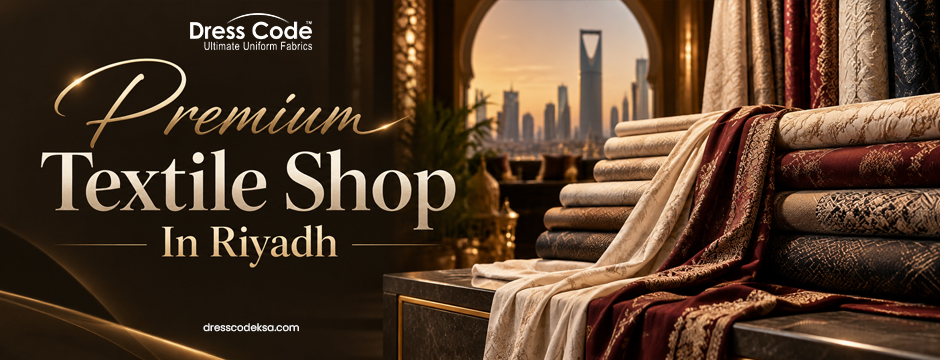
In a premium textile shop in Riyadh, shoppers can find a wide range of fabrics with different textures, weights, finishes, and compositions. However, attractive appearance alone does not always indicate quality. A high-quality fabric should feel comfortable, maintain its shape, resist premature wear, and suit the intended garment.
Whether you are selecting fabric for traditional Saudi clothing, formal wear, occasion outfits, or tailored pieces, knowing what to examine can help you make a confident choice. From fibre composition to weave, texture, and finishing, several details reveal true fabric quality.
Check the Fibre Composition
The first step in evaluating fabric quality is checking its fibre composition. Fabrics may be made from natural fibres, synthetic fibres, or a blend of both. Natural fibres such as cotton, linen, wool, and silk often provide distinctive comfort and breathability. Meanwhile, polyester, viscose, nylon, and other manufactured fibres can offer durability, wrinkle resistance, and easier maintenance.
Do not assume that a natural fibre is automatically superior. The quality depends on the fibre grade, manufacturing process, weave, and finishing. A well-made blended fabric by the Bulk Uniform Fabric Supplier in Saudi Arabia can sometimes outperform a poorly manufactured natural fabric. Always check the fabric label or ask the textile specialist about its exact composition.
Examine the Fabric’s Weave
The weave provides important clues about how well a fabric has been manufactured. Look closely at the surface and observe how the threads intersect. A high-quality woven fabric generally has an even and consistent structure. The threads should not appear excessively loose, uneven, or randomly spaced. Hold the material under good lighting and inspect it carefully.
Common weave structures include plain weave, twill, satin, and jacquard. Each creates a different appearance and performance. The right weave depends on the garment you plan to create. For example, a tightly constructed fabric may be appropriate for structured formal clothing, while a lighter weave may provide greater comfort for everyday garments.
Feel the Texture
Touch is one of the simplest ways to assess fabric quality. Run your fingers across the material. High-quality fabric should generally have a consistent texture appropriate to its composition. It should not feel excessively rough, brittle, or unnaturally coated unless that finish is intentional.
For premium garments, pay attention to how the fabric moves when you handle it. Does it fall naturally? Does it feel smooth? Different fabrics have different desirable textures, so avoid judging every material by softness alone. Some high-quality fabrics are deliberately crisp, firm, textured, or substantial.
Look at the Fabric’s Weight and Density
Fabric weight should match the purpose of the garment. Hold the fabric in your hands and compare its density with similar materials. A fabric that feels substantial does not necessarily mean it is better. Instead, consider whether its weight is appropriate for the intended clothing.
For Riyadh’s climate, fabric selection can be especially important. Lightweight and breathable materials may be more comfortable for garments worn during warmer periods. Heavier fabrics may be more suitable for cooler weather, structured tailoring, or specific formal applications. A Premium Textile Shop in Riyadh can help you compare different weights and explain how each material is likely to perform.
Inspect the Colour and Dye Quality
Colour consistency can also reveal manufacturing quality. Look closely at the entire fabric and check whether the colour appears uniform. Premium fabric should generally have an even appearance without unexplained patches, streaks, or discolouration. For patterned materials, examine whether the design is properly aligned and consistently printed or woven.
You can also gently rub a small hidden section with a clean, light-colored cloth to check for excessive colour transfer. However, this should only be done with permission from the retailer. Remember that some fabrics naturally have variations because of their fibre or production technique. Such variations are not necessarily defects.
Check Stretch and Recovery
If you are buying stretch fabric, test its elasticity carefully. Gently pull the material and observe how it responds. Quality stretch fabric should provide the expected amount of flexibility and recover reasonably well after being released.
If the fabric remains noticeably distorted after light stretching, it may not be suitable for garments that require consistent shape retention. For non-stretch fabrics, avoid unnecessarily pulling the material. Instead, examine how easily the surface shifts and whether the construction remains stable.
Examine the Edges and Surface
Inspect the fabric closely for loose threads, excessive fuzz, snags, holes, or inconsistent finishing. Some fabrics naturally have a textured or brushed surface. However, unexplained pilling, damaged areas, or excessive loose fibres may indicate poor handling or manufacturing.
You should also examine the selvedge, which is the finished edge of many woven fabrics. A clean, consistent selvedge can provide additional information about the fabric’s construction.
Consider Breathability
Comfort matters just as much as appearance. This is particularly important when selecting clothing for Riyadh. Breathable fabrics can help moisture and heat move away from the body. Natural fibres such as cotton and linen are commonly appreciated for their breathability, while some modern blends are engineered to improve comfort and moisture management.
Hold the fabric lightly against your hand and consider its thickness and airiness. A knowledgeable textile professional can also explain how a particular material behaves in warm conditions.
Ask About Durability and Care
Before purchasing premium fabric, ask how it should be maintained. Some luxurious materials require dry cleaning or specialised care. Others can withstand regular washing and ironing. Understanding these requirements helps you determine whether the fabric suits your lifestyle.
Ask questions such as:
- How should this fabric be washed?
- Can it be ironed?
- Does it shrink?
- Is it prone to pilling?
- Does the colour fade easily?
- How does it perform after repeated use?
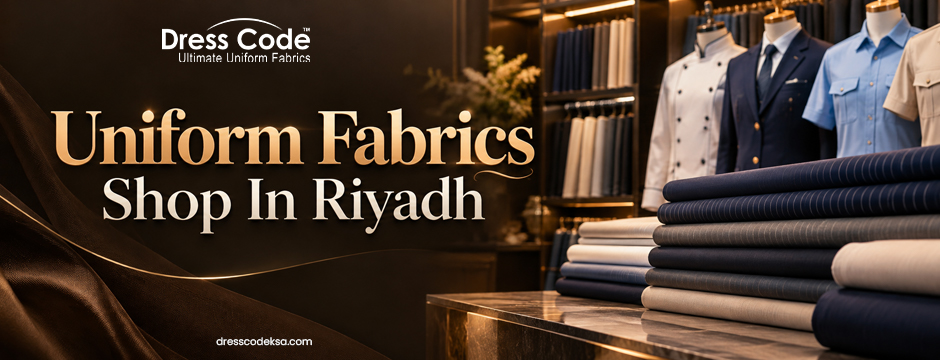
A reputable Uniform Fabrics shop in Riyadh should be able to provide practical guidance rather than simply focusing on appearance.
Compare Before You Buy
Finally, avoid choosing fabric based on one characteristic alone. Compare several options based on composition, texture, weight, weave, colour, durability, comfort, and care requirements. If possible, view fabrics under different lighting conditions. This can help you understand their true colour and surface appearance. Most importantly, explain what you intend to make. A fabric expert can recommend suitable materials based on the garment’s design, occasion, climate, and expected use.
Bottom Line
Finding high-quality fabric requires more than choosing the most expensive material on the shelf. Examine the fibre composition, weave, texture, weight, colour, stretch, surface, breathability, and care requirements before making your decision. When shopping at a premium textile shop in Riyadh, expert guidance can make the selection process much easier.
For a curated range of quality fabrics and textile options, explore DressCode KSA and choose materials that combine appearance, comfort, and dependable performance for your next garment.
FAQ
- How can I tell if a fabric is high quality?
Check its fibre composition, weave consistency, texture, weight, colour uniformity, and overall finish. High-quality fabric should also suit the garment’s intended use.
- Which fabric qualities are important in Riyadh’s climate?
Breathability, lightweight construction, moisture management, and comfort are particularly important. Cotton, linen, and suitable blended fabrics can be good choices depending on the garment.
- Does expensive fabric always mean better quality?
Not necessarily. Price can reflect the fibre, manufacturing process, brand, finishing, and rarity. The best fabric is one that provides the right combination of quality and performance for its intended purpose.
- How can I check the durability of fabric?
Examine the weave, surface, stitching potential, and fibre composition. You can also ask the textile retailer about shrinkage, pilling, colourfastness, washing requirements, and expected wear.
- Why should I buy fabric from a premium textile shop in Riyadh?
A premium textile shop can provide access to carefully selected materials and professional guidance. Specialists can help you choose fabric based on the garment design, occasion, climate, and desired appearance.
RAG
Understanding Fabric Quality Through Fibre and Construction
High-quality fabric begins with its fibre composition and construction. Natural fibres such as cotton, linen, silk, and wool each have distinctive characteristics, while synthetic and blended materials can provide benefits such as durability, flexibility, and easier maintenance. However, fibre type alone does not determine quality. The weave, thread consistency, density, and finishing process also influence how the material performs. Examining these characteristics helps shoppers distinguish well-constructed textiles from fabrics that only appear attractive at first glance. A knowledgeable textile specialist can also explain how different compositions will behave after repeated use, washing, ironing, and tailoring.
Choosing Fabrics for Riyadh’s Climate and Lifestyle
Climate should play an important role when selecting fabric in Riyadh. Materials intended for warm conditions should provide suitable breathability and comfort without compromising appearance. Lightweight fabrics can be particularly useful for everyday garments, while structured or heavier textiles may be more appropriate for formal clothing and specific occasions. Shoppers should also consider how the fabric feels against the skin, how easily it absorbs or releases moisture, and whether it maintains its shape throughout the day. Selecting fabric based on both environmental conditions and the intended garment can result in clothing that looks refined while remaining comfortable.
Making a Confident Textile Purchase
A careful inspection can make fabric shopping more rewarding. Before purchasing, examine the material under good lighting, feel its surface, inspect the weave, compare its weight with similar options, and ask about care requirements. It is also useful to compare several fabrics rather than selecting the first attractive option. Professional assistance can simplify this process by matching the material with the desired garment, occasion, construction, and maintenance routine. By combining visual inspection with expert advice, shoppers can make more informed decisions and select textiles that offer lasting appearance, comfort, and performance.