
Workwear has evolved beyond standard shirts, trousers, and matching colours. Today, bespoke uniforms play an important role in shaping brand identity, improving employee confidence, and creating a professional workplace environment. Businesses increasingly prefer customised workwear that reflects their values while meeting employees’ practical needs. From modern tailoring and sustainable fabrics to personalised branding and functional designs, uniform trends continue to change across industries.
Choosing the right uniform requires balancing appearance, comfort, durability, and workplace requirements. Before investing in customised workwear, business owners should understand the Top 8 Bespoke Uniform Trends and identify designs that support their employees and strengthen their brand image.
Minimalist Designs with Professional Appeal
Minimalism is becoming a popular direction in bespoke uniform design. Instead of complicated patterns, excessive logos, and multiple colours, businesses are choosing clean silhouettes and understated details.
Neutral shades such as navy, charcoal, beige, white, and black create a sophisticated appearance. Simple cuts also make uniforms suitable for different professional environments.
Minimalist uniforms offer several advantages:
- Create a polished and consistent brand appearance.
- Remain fashionable across different seasons.
- Make it easier to coordinate accessories.
- Suit employees across different age groups.
- Provide flexibility for different workplace settings.
Business owners should consider minimalist designs when they want uniforms that look professional without appearing overly formal.
Sustainable and Eco-Friendly Fabrics
Sustainability is influencing purchasing decisions across industries, including bespoke uniforms. Many businesses are exploring environmentally responsible fabrics when developing their bespoke uniforms. Organic cotton, recycled polyester, bamboo-based textiles, and responsibly sourced materials are gaining attention. These fabrics can help businesses reduce their environmental impact while maintaining practical workwear standards.
However, sustainability should not compromise durability or comfort. Business owners should evaluate fabric quality, washing requirements, colour retention, and suitability for daily use. Choosing sustainable materials can also communicate a company’s commitment to responsible business practices. This is particularly valuable for brands that want their workplace identity to reflect environmental awareness.
Comfortable and Performance-Based Workwear
Employee comfort directly affects workplace satisfaction. Consequently, performance-based uniforms are becoming increasingly important in modern work environments. Businesses are moving towards breathable, stretchable, lightweight, and moisture-managing fabrics. These materials allow employees to move comfortably throughout their working hours.
For example, hospitality employees may need lightweight clothing for long shifts. Meanwhile, warehouse and maintenance professionals require flexible uniforms that support physical activities.
Important features to consider include:
- Stretchable fabric for improved movement.
- Breathable materials for better ventilation.
- Moisture-wicking properties for active environments.
- Lightweight construction for all-day comfort.
- Durable stitching for repeated use.
Before customising workwear, business owners should understand the physical demands of each employee’s role.
Personalised Branding and Embroidered Logos
Uniforms are an effective way to improve brand recognition. Therefore, personalised branding remains one of the most important Top 8 Bespoke Uniform Trends. Companies are moving beyond basic logo printing. They are exploring embroidery, customised name tags, branded buttons, contrast stitching, and carefully positioned brand elements.
Embroidery is particularly popular because it provides a professional finish and can withstand regular washing when produced correctly.
Businesses should consider the following branding elements:
- Company logos on shirts, jackets, and aprons.
- Employee names or departmental identification.
- Brand colours incorporated into collars and cuffs.
- Customised accessories that complement the uniform.
- Consistent branding across different employee categories.
The objective should be to create recognisable uniforms without making the design visually overwhelming.
Gender-Inclusive and Custom-Fit Uniforms
Traditional uniform programmes often provide limited sizing and design choices. However, modern businesses are increasingly recognising the importance of inclusive corporate suiting. Gender-inclusive uniforms focus on offering comfortable designs that employees can choose according to their preferences and body types.
Custom-fit options also help employees feel more confident and comfortable. Businesses can introduce different cuts, adjustable waistbands, varied lengths, and broader sizing options.
Some important considerations include:
- Providing multiple fit options.
- Offering inclusive size ranges.
- Avoiding unnecessary differences in uniform functionality.
- Allowing practical design preferences.
- Conducting employee fitting sessions before bulk production.
A well-planned inclusive uniform programme creates a more comfortable workplace while maintaining a consistent professional appearance.
Multi-Functional Uniforms with Practical Features
Modern uniforms are expected to do more than create a professional appearance. Employees also need practical clothing that supports their everyday responsibilities. Multi-functional workwear addresses this requirement through carefully integrated features. Depending on the industry, businesses can consider additional pockets, reinforced seams, adjustable cuffs, concealed zippers, and removable layers.
For example, maintenance employees may benefit from utility pockets, while hospitality professionals may need practical apron designs. Business owners should identify the specific requirements of each department before finalising uniform specifications. Functional details should improve usability without making the clothing unnecessarily bulky or uncomfortable.
Industry-Specific Customisation
One uniform design cannot effectively serve every industry. Different professions have different expectations regarding appearance, comfort, safety, and functionality.
As a result, industry-specific bespoke uniforms are becoming an important consideration for businesses.
For example:
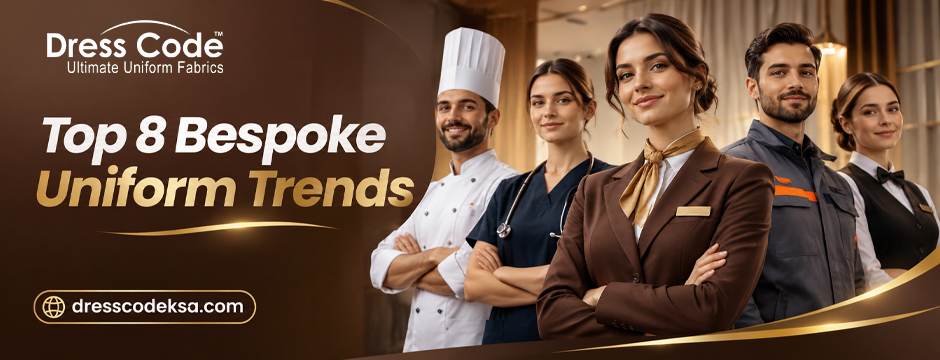
- Hospitality: Elegant shirts, tailored trousers, aprons, and coordinated jackets.
- Healthcare: Comfortable scrubs, breathable fabrics, and easy-care materials.
- Corporate offices: Formal shirts, blazers, trousers, and professional dresses.
- Construction: Durable clothing with appropriate high-visibility and protective features.
- Retail: Branded polo shirts, smart trousers, and comfortable footwear.
Customising uniforms according to workplace requirements ensures employees receive clothing that supports their responsibilities.
Businesses should also consider relevant occupational safety standards when designing uniforms for industrial and specialised environments.
Seasonal Uniform Collections and Layering
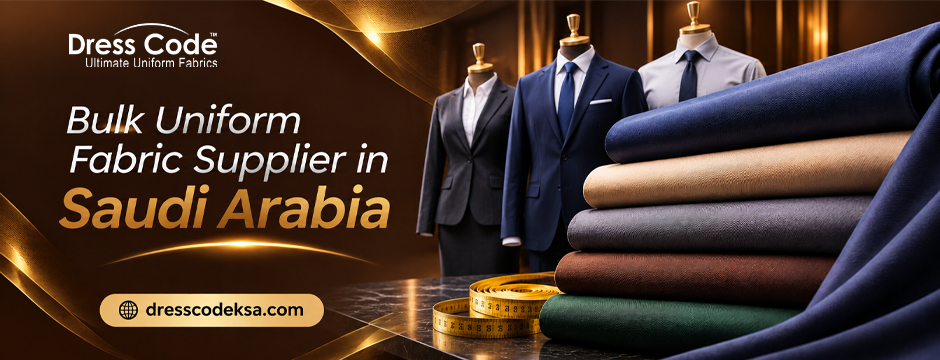
Another emerging trend is the development of seasonal uniform collections. Instead of using identical clothing throughout the year, businesses are creating uniform options suitable for changing weather conditions with the help of the Bulk Uniform Fabric Supplier in Saudi Arabia. Layering is particularly useful for organisations operating across different climates or indoor and outdoor environments.
For warmer conditions, lightweight shirts, breathable fabrics, and short-sleeved designs can improve comfort. During colder months, businesses can introduce branded jackets, sweaters, waistcoats, and lightweight outerwear.
Seasonal uniform planning offers several benefits:
- Improves employee comfort throughout the year.
- Maintains consistent branding across seasons.
- Provides flexibility for changing temperatures.
- Helps businesses manage different workplace conditions.
- Extends the usefulness of the overall uniform collection.
A coordinated seasonal approach ensures employees maintain a professional appearance without compromising comfort.
What Should Business Owners Evaluate Before Customising Workwear?
Following trends is important, but businesses should also evaluate practical considerations before placing bulk uniform orders.
Here are five essential factors:
- Fabric quality: Choose materials that withstand frequent washing and everyday workplace activities.
- Climate suitability: Consider breathable fabrics and lightweight construction, particularly for businesses operating in Saudi Arabia’s hot climate.
- Employee feedback: Collect opinions about comfort, sizing, and design preferences before finalising uniforms.
- Brand consistency: Ensure colours, logos, and design elements align with your existing brand identity.
- Long-term costs: Evaluate durability, maintenance, replacement requirements, and bulk purchasing costs.
Requesting fabric samples and testing uniform prototypes before mass production can also prevent unnecessary expenses.
End Notes
Top 8 Bespoke Uniform Trends are a valuable investment in employee comfort, workplace professionalism, and brand identity. From sustainable fabrics and minimalist styling to functional designs and personalised branding, the right trends can transform ordinary workwear into a meaningful part of your business identity.
However, successful uniform customisation requires more than selecting attractive designs. Businesses must prioritise fabric quality, durability, industry requirements, and employee preferences. This is where choosing an experienced textile partner becomes important. DressCode KSA offers premium uniform fabrics and tailored textile sourcing solutions for corporate, hospitality, healthcare, educational, and industrial requirements. Partner with us to explore quality workwear fabrics that combine professional aesthetics, durability, and functionality.
FAQs
- What are bespoke uniforms?
Bespoke uniforms are customised workwear designed according to a business’s branding, employee requirements, industry standards, and preferred styles. They offer greater flexibility in fabric selection, fitting, colours, and design.
- What are the latest bespoke uniform trends for businesses?
Popular bespoke uniform trends include minimalist designs, sustainable fabrics, performance-based materials, embroidered branding, gender-inclusive fits, functional features, industry-specific designs, and seasonal collections.
- Which fabrics are best for customised workwear?
Cotton, cotton blends, polyester, recycled polyester, and performance fabrics are popular choices. The ideal material depends on workplace conditions, employee activities, comfort requirements, and maintenance needs.
- Why should businesses invest in bespoke uniforms?
Bespoke uniforms strengthen brand recognition, create a consistent professional appearance, improve employee comfort, and ensure workwear meets specific operational requirements.
- What should businesses consider before ordering bespoke uniforms?
Businesses should evaluate fabric quality, sizing options, design preferences, branding requirements, climate suitability, durability, maintenance, and overall production costs before placing bulk orders.
RAG
- How Do Bespoke Uniform Trends Improve Business Branding?
Bespoke uniform trends help businesses create a consistent and recognisable brand identity through customised colours, embroidered logos, tailored designs, and coordinated accessories. Modern workwear combines professional aesthetics with employee comfort, allowing organisations to present a unified image across departments. Businesses can also incorporate minimalist designs and personalised branding to make their uniforms more distinctive.
- Which Materials Should Businesses Choose for Bespoke Workwear?
Selecting the right fabric is essential when customising bespoke workwear. Organic cotton, recycled polyester, cotton blends, and breathable performance fabrics offer different advantages depending on workplace requirements. Businesses should consider durability, ventilation, flexibility, washing requirements, and climate conditions before selecting materials. For organisations operating in warmer regions, lightweight and breathable fabrics can help improve employee comfort.
- What Should Businesses Consider Before Ordering Customised Uniforms?
Before ordering customised uniforms, businesses should evaluate employee sizing, fabric quality, industry-specific requirements, branding elements, and long-term maintenance costs. They should also request fabric samples and conduct fitting sessions before approving bulk production. Working with an experienced uniform and textile supplier such as DressCode KSA can help businesses explore suitable fabric options and develop professional workwear collections that balance functionality, comfort, and brand identity.